Complex #life began to develop earlier, and over a longer span of time, than previously believed.
Nee findings indicate that complex organisms evolved long before there were substantial levels of #oxygen in the #atmosphere, something which had previously been considered a prerequisite to the #evolution of complex life.
The #earth is approximately 4.5 billion years old, with the first #microbial life forms appearing over 4 billion years ago.
These organisms consisted of two groups – #bacteria and the distinct but related #archaea, collectively known as #prokaryotes.
Prokaryotes were the only form of life on earth for hundreds of millions of years, until more complex eukaryotic cells including organisms such as #algae, #fungi, #plants and #animals evolved.
Previous ideas on how and when early prokaryotes transformed into complex #eukaryotes has largely been in the realm of speculation. Estimates have spanned a billion years, as no intermediate forms exist and definitive fossil evidence has been lacking.
By collecting evidence from multiple #gene families in multiple biological systems and focusing on the features which distinguish eukaryotes from prokaryotes, researchers were able to begin to piece together the developmental pathway for complex life.
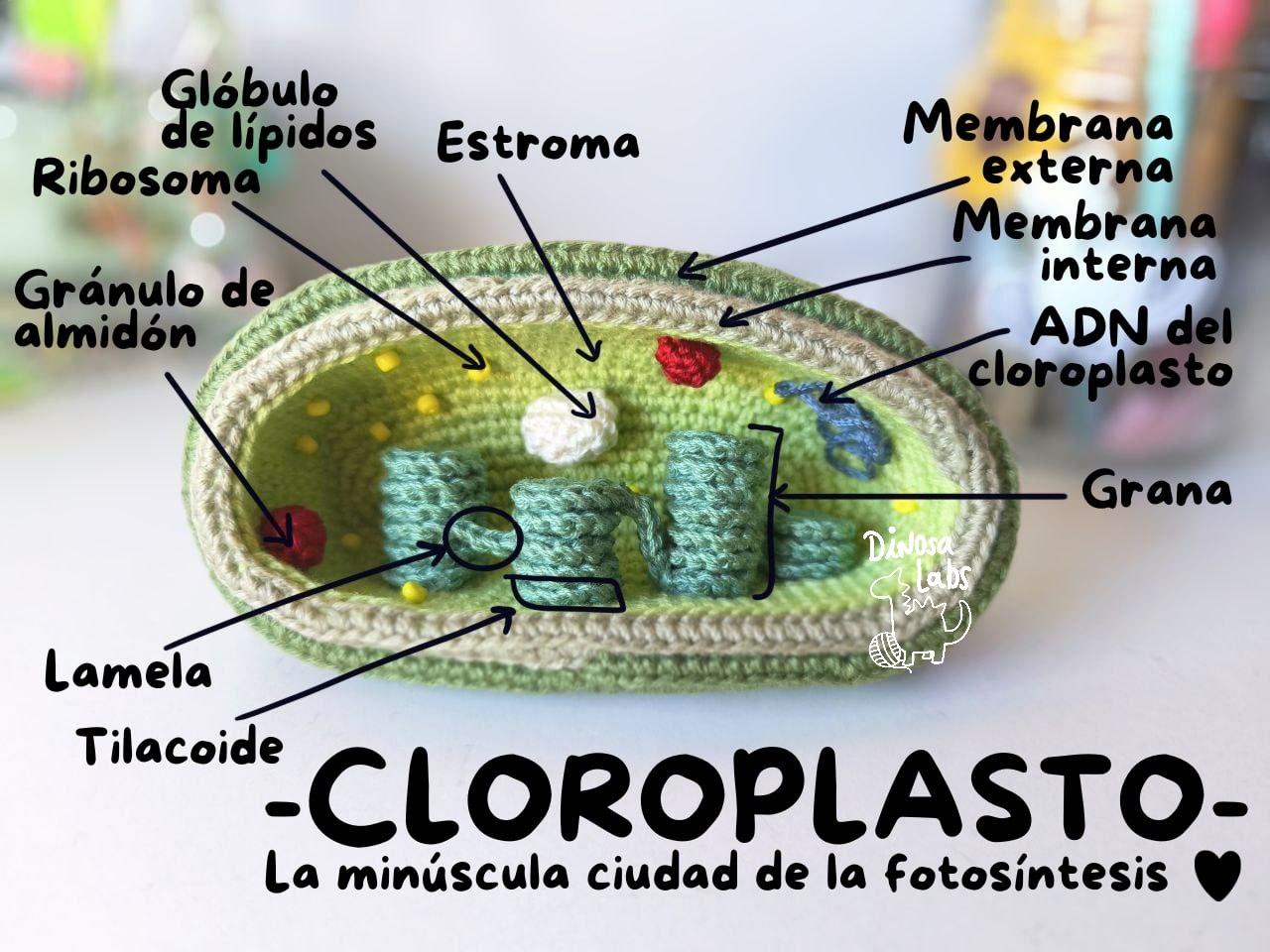
They obtained evidence that the transition began almost 2.9 billion years ago – almost a billion years earlier than by some other estimates – suggesting that the nucleus and other internal structures appear to have evolved significantly before #mitochondria.
The process of cumulative complexification seems to have taken place over a much longer time period than previously thought.
#biology
https://www.bristol.ac.uk/news/2025/december/complex-life-developed-earlier-than-previously-thought-new-study-reveals.html
Paper by Kay et al. (2025): https://www.nature.com/articles/s41586-025-09808-z