#books

See tagged statuses in the local Gatti Ninja community

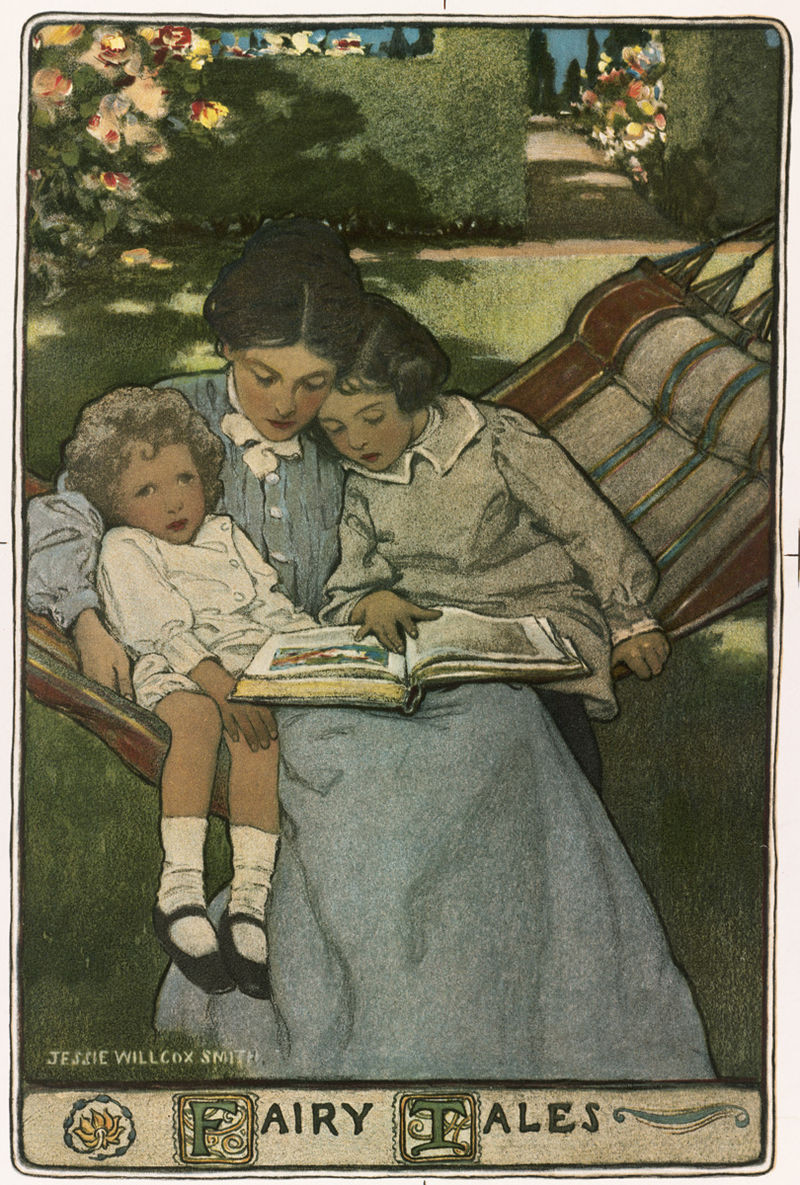
American illustrator Jessie Willcox Smith died in 1935.

Smith’s career took off when she began working for the Ladies' Home Journal, for which she created many covers and interior illustrations. She illustrated over 60 books throughout her career, including classics such as Charles Kingsley's The Water-Babies, Robert Louis Stevenson’s A Child’s Garden of Verses, and Clement Moore’s The Night Before Christmas.

Jessie Willcox Smith at PG:
https://www.gutenberg.org/ebooks/author/7158
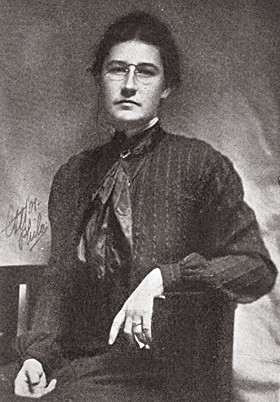
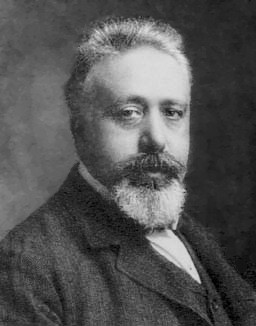
Italian mathematician and physicist Vito Volterra was born in 1860.

One of Volterra's most famous contributions came in the field of mathematical biology with his work on population dynamics. He formulated the The Lotka–Volterra equations which are frequently used to describe the dynamics of biological systems in which two species interact, one as a predator and the other as prey.

Books by Vito Volterra at PG:
https://www.gutenberg.org/ebooks/author/34164

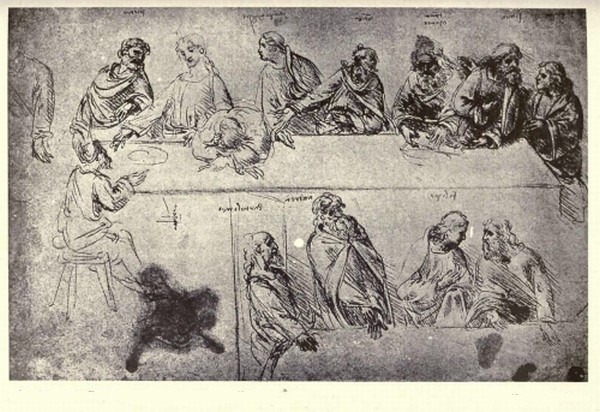
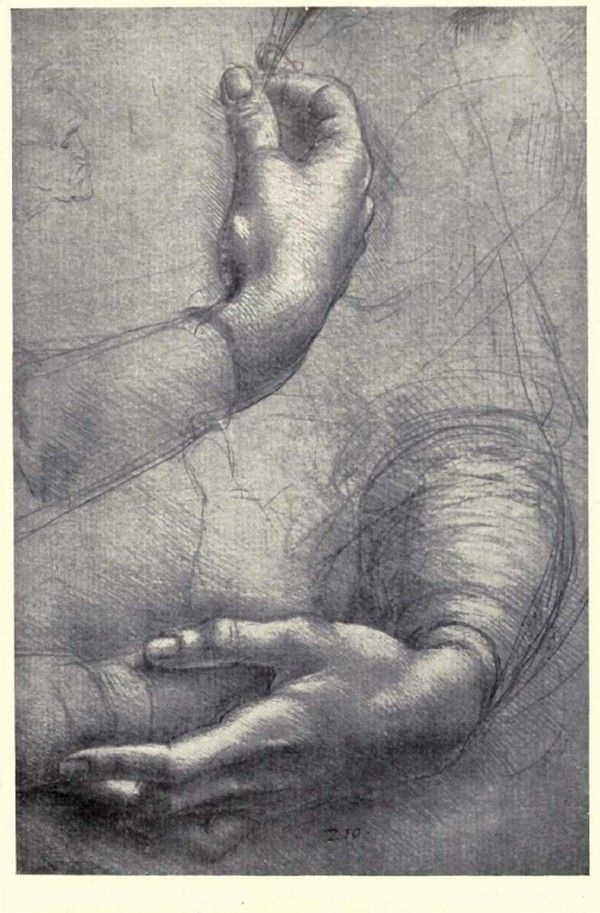
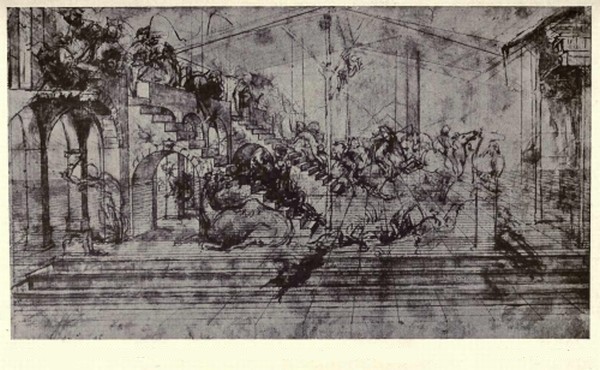
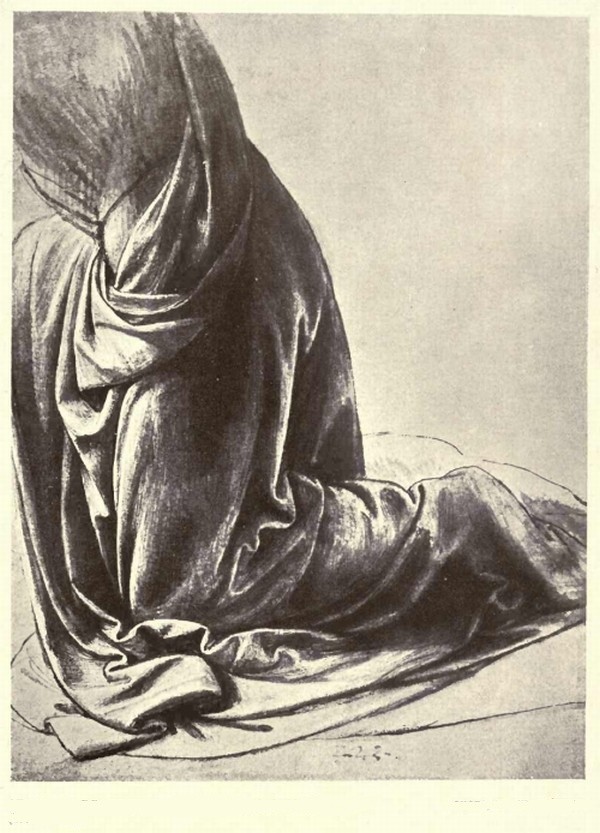
Italian polymath Leonardo da Vinci died in 1519.

He was active as a painter, draughtsman, engineer, scientist, theorist, sculptor, and architect. While his fame initially rested on his achievements as a painter, he has also become known for his notebooks, in which he made drawings and notes on a variety of subjects, including anatomy, astronomy, botany, cartography, painting, and paleontology.

Books by Leonardo Da Vinci at PG
https://www.gutenberg.org/ebooks/author/1629

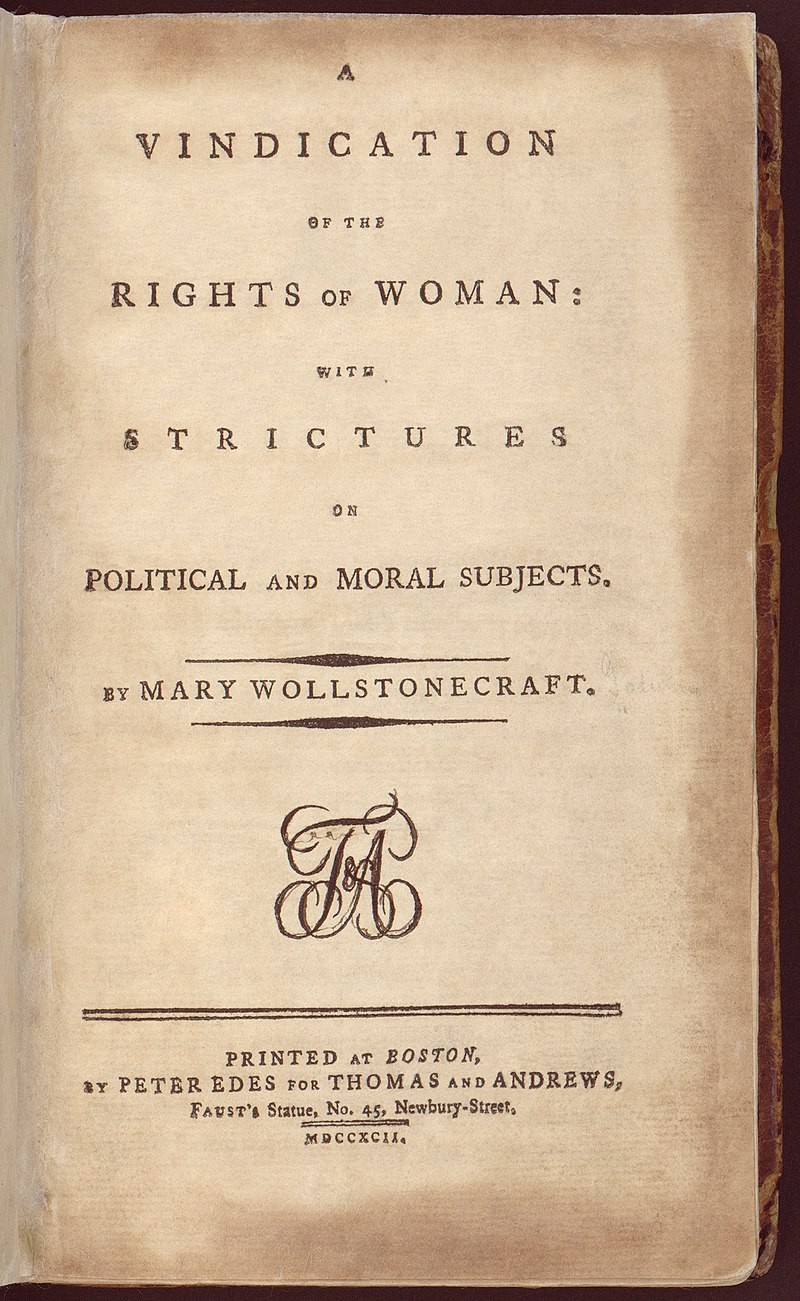
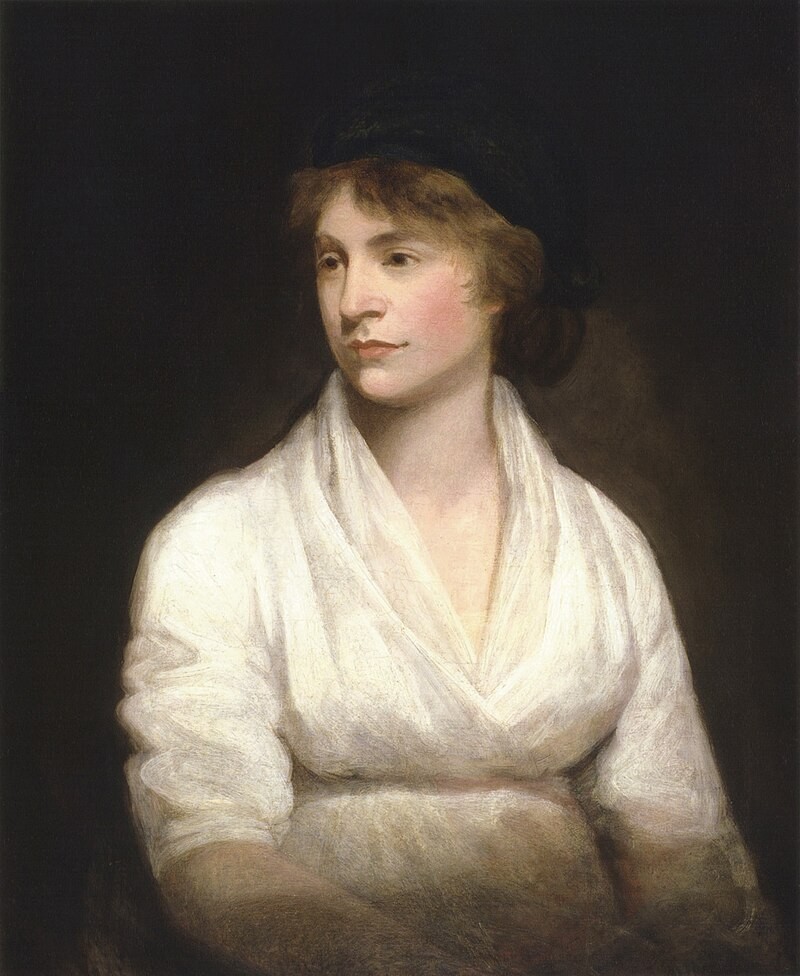
"Strengthen the female mind by enlarging it, and there will be an end to blind obedience."
A Vindication of the Rights of Woman (ed. 1793)

British writer, philosopher, and advocate of women's rights Mary Wollstonecraft was born in 1759. In "A Vindication of the Rights of Woman" (1792), Wollstonecraft argued that women are not naturally inferior to men but appear so only because of a lack of education.

Books by Mary Wollstonecraft at PG:
https://www.gutenberg.org/ebooks/author/84

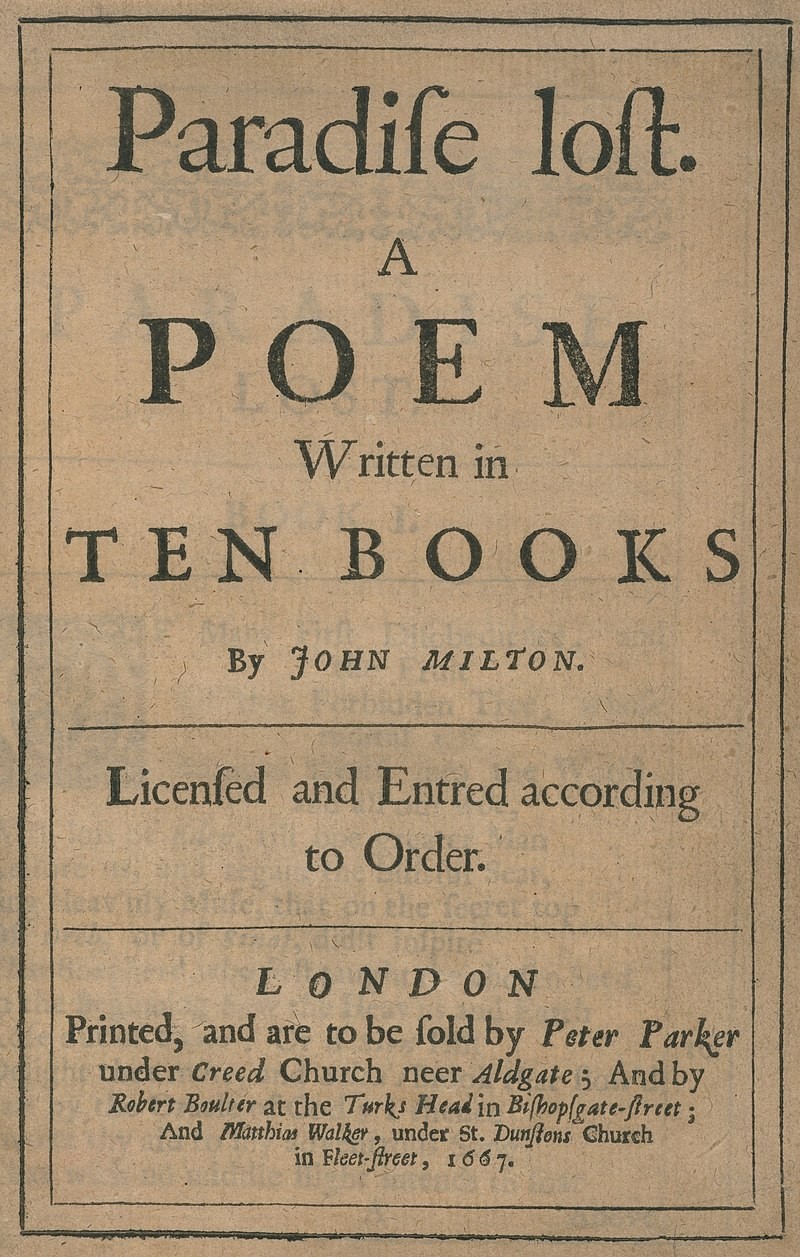
"A mind not to be changed by place or time.
The mind is its own place, and in itself
Can make a heav'n of hell, a hell of heav'n."
Lines 253-55. Book I. See also Book IV, line 75

in 1667.

Blind and impoverished, John Milton sells Paradise Lost to a printer for £10, so that it could be entered into the Stationers' Register.

Paradise Lost at PG:
https://www.gutenberg.org/ebooks/26

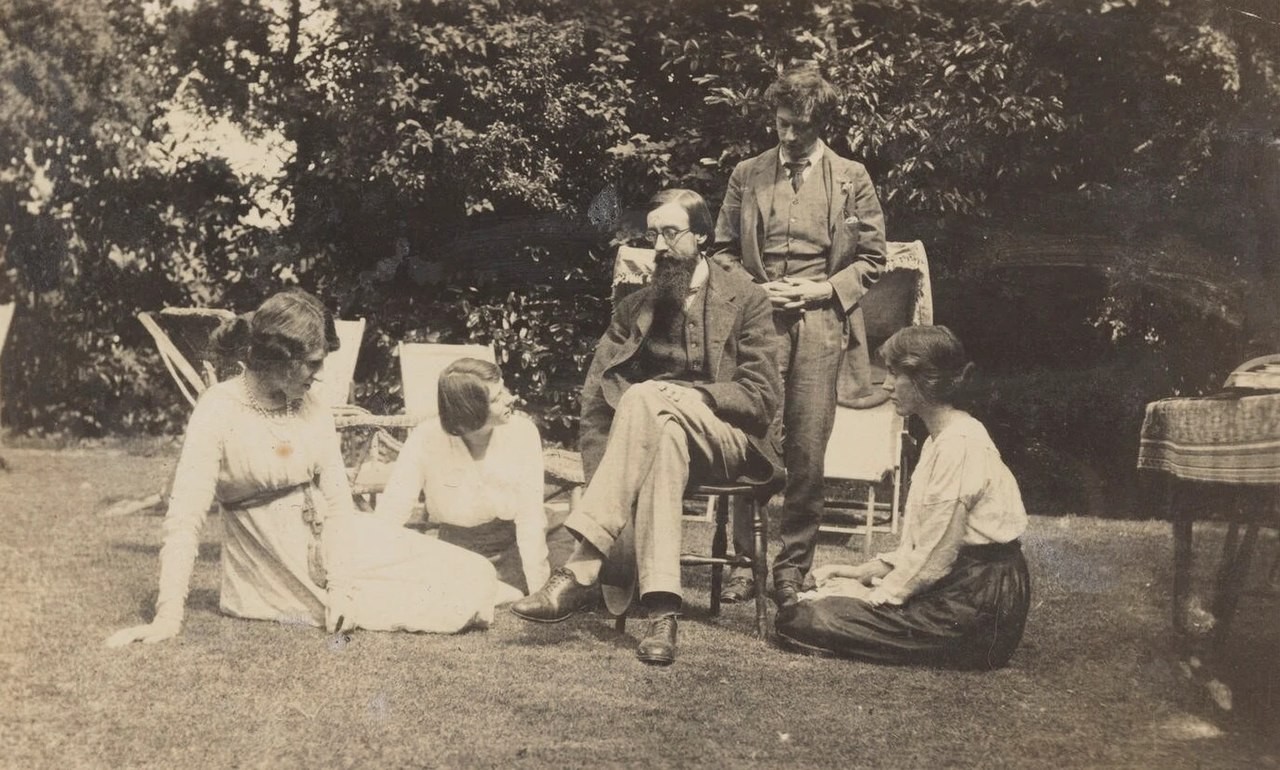
English aristocrat and society hostess Lady Ottoline Morrell died in 1938.

Her salons were frequented by key figures of the Bloomsbury Group, including Virginia Woolf, John Maynard Keynes, & Lytton Strachey, as well as writers like Aldous Huxley, T.S. Eliot, & D.H. Lawrence. Artists such as Duncan Grant & Vanessa Bell were also regular visitors. During World War I, they invited conscientious objectors such as Duncan Grant, Clive Bell & Lytton Strachey to take refuge at Garsington.

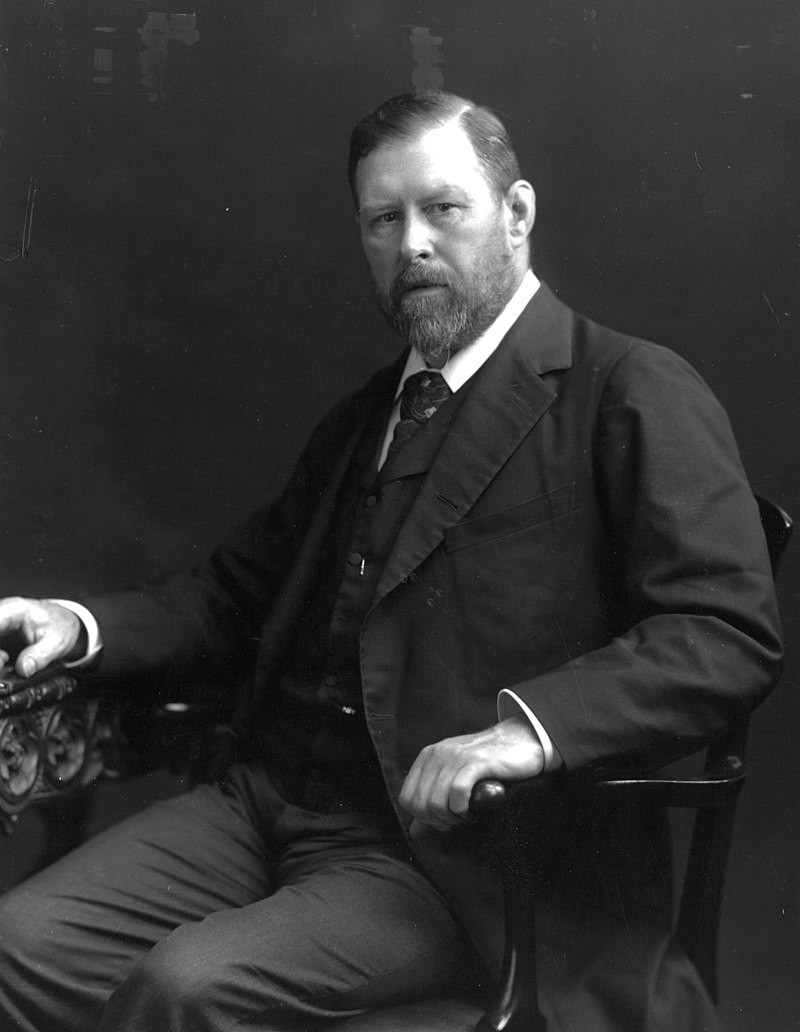
Irish author Bram Stoker died in 1912.

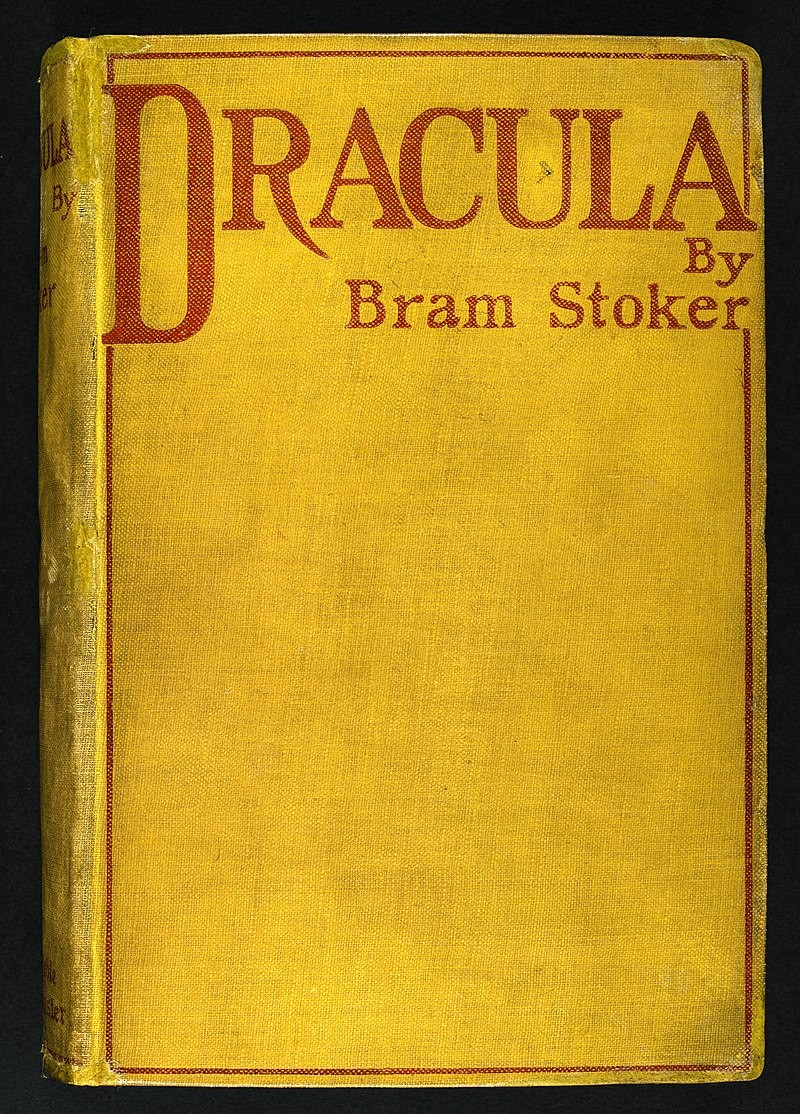
In his early years, Stoker worked as a theatre critic for an Irish newspaper, and wrote stories as well as commentaries. He also enjoyed travelling, particularly to Cruden Bay in Scotland where he set two of his novels. During another visit to the English coastal town of Whitby, Stoker drew inspiration for writing Dracula.

Books by Bram Stoker at PG:
https://www.gutenberg.org/ebooks/author/190

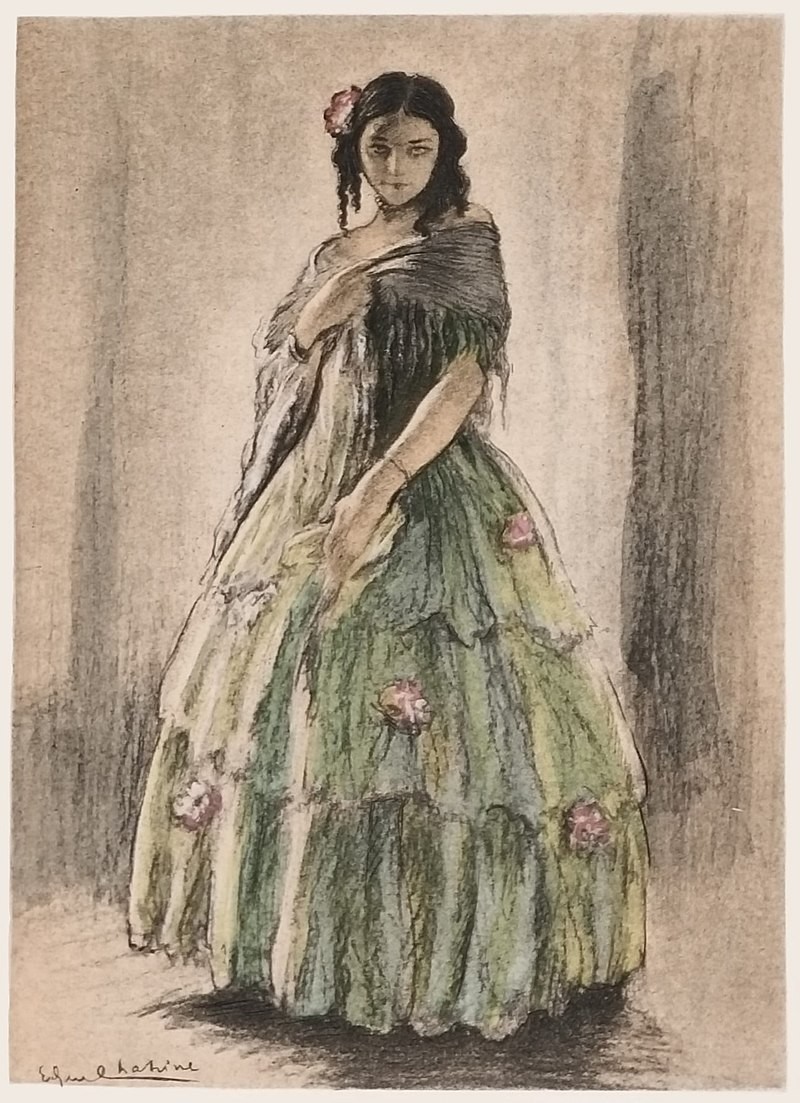
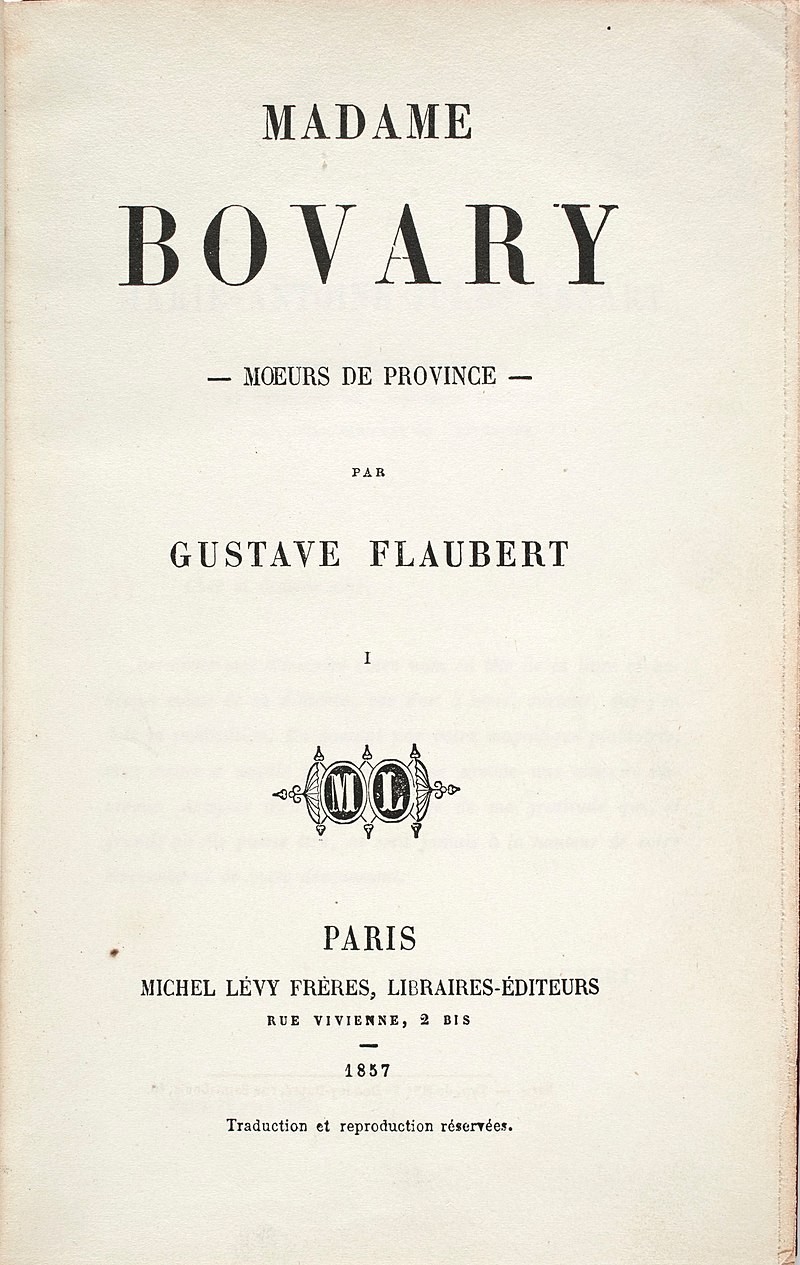
in 1857. Madame Bovary by Gustave Flaubert is published by Michel Lévy frères.

On publication, the novel was attacked by the Paris prosecutor of the Second Empire for immorality and obscenity. Flaubert's trial, which began in January 1857, publicized the story in France. The first edition of 6,750 copies was an instant success, selling out in two months.

Madame Bovary at PG:
https://www.gutenberg.org/ebooks/14155
https://www.gutenberg.org/ebooks/2413

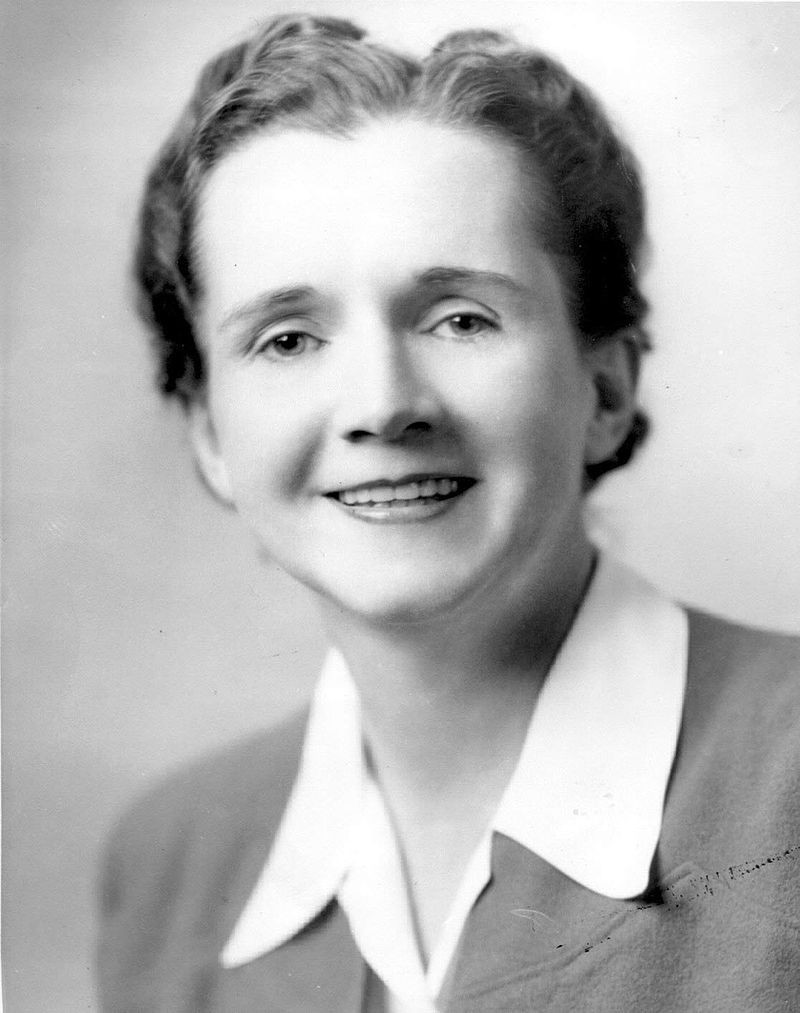
American marine biologist, conservationist, and writer Rachel Carson died in 1964.

She is best known for her groundbreaking book "Silent Spring," published in 1962, which brought attention to the environmental impact of pesticides, particularly DDT, and sparked a global environmental movement. The book is often credited with inspiring the modern environmental movement and the establishment of the U.S. Environmental Protection Agency (EPA).

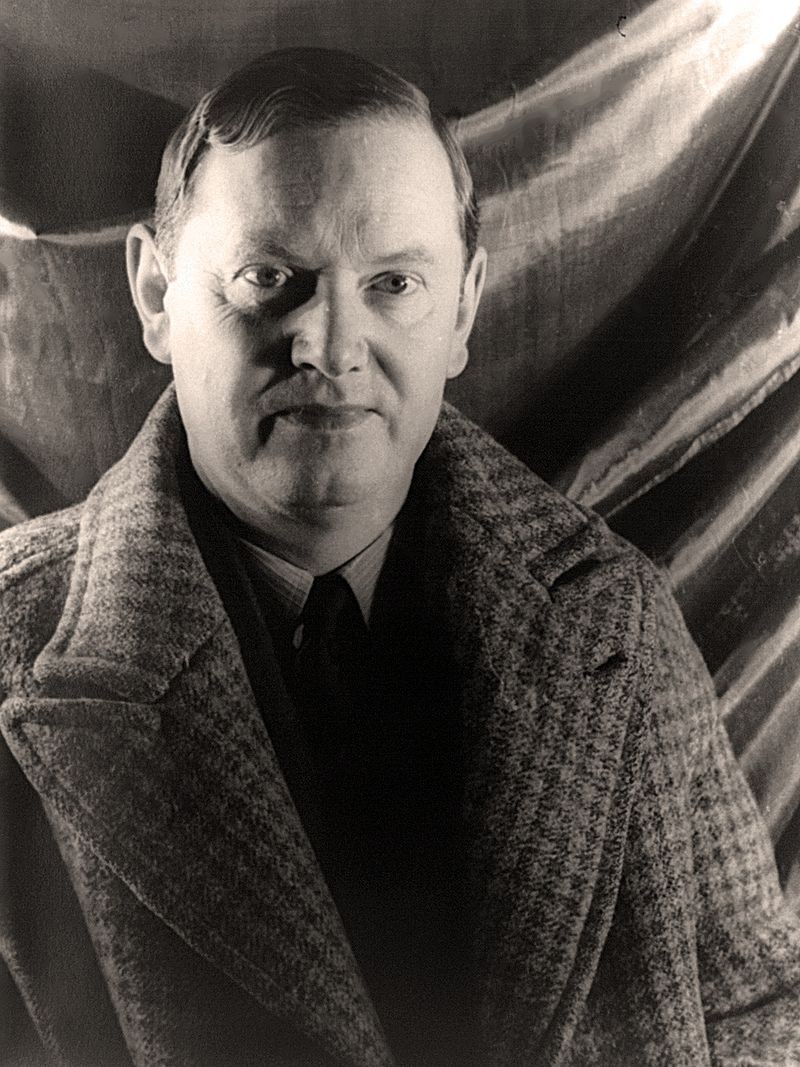
English writer Evelyn Waugh died in 1966.

Waugh's early works, such as "Decline and Fall" (1928) and "Vile Bodies" (1930), satirize the societal decadence and moral decline of the interwar period. However, it was his novel "Brideshead Revisited" (1945) that brought him widespread acclaim. His other notable works include "A Handful of Dust" (1934), which critiques the emptiness of modern life, and "Scoop" (1938), a satire of sensationalist journalism.

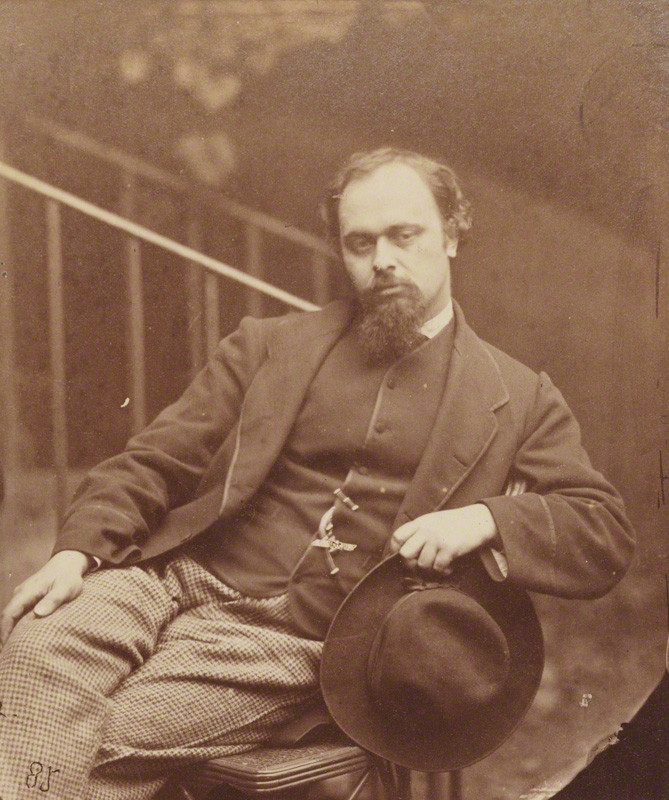
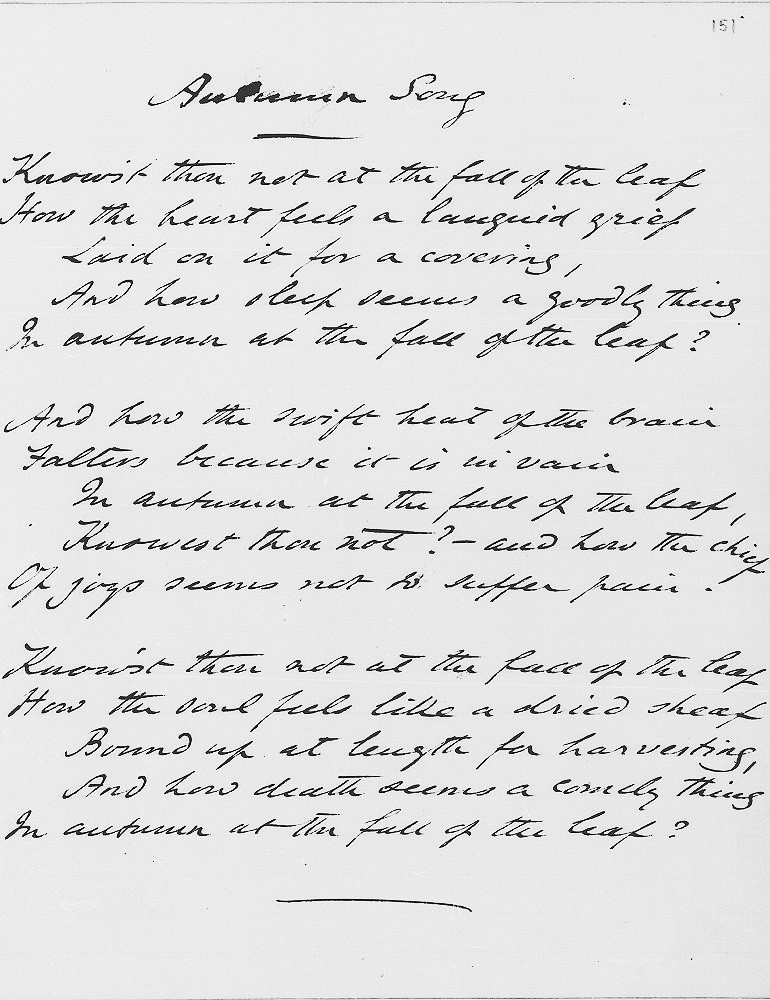
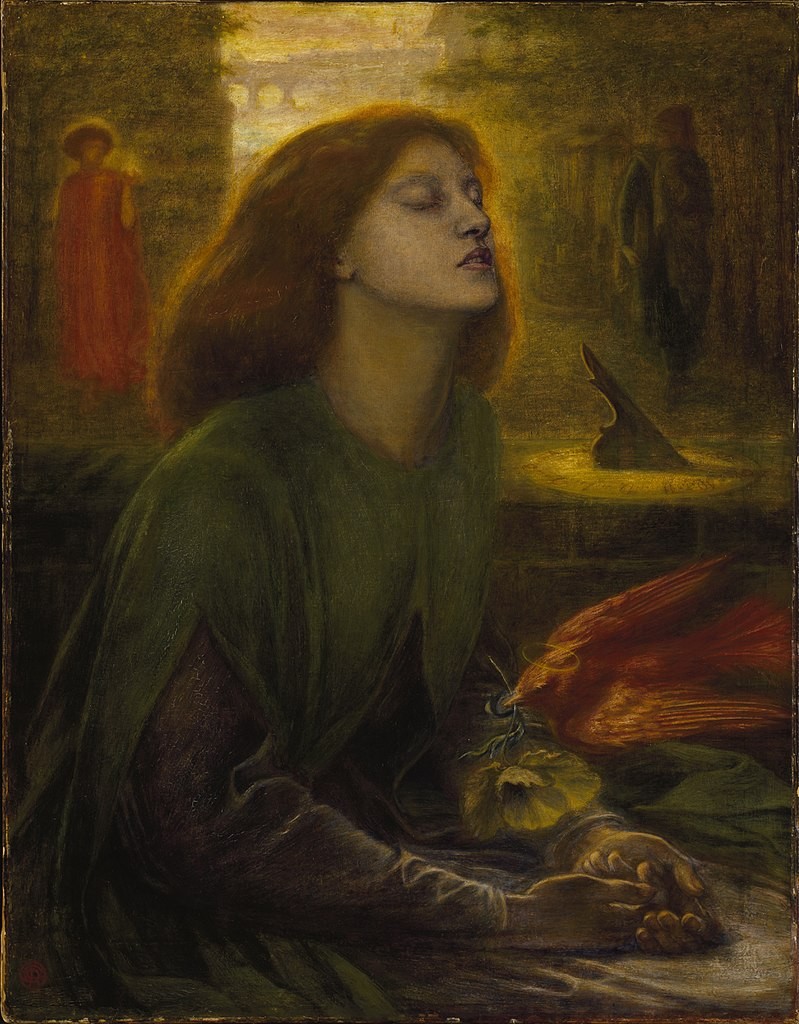
English poet, illustrator, painter, translator and founder of Pre-Raphaelite Brotherhood Dante Gabriel Rossetti died in 1882.

His work also influenced the European Symbolists and was a major precursor of the Aesthetic movement. Rossetti's personal life was closely linked to his work, especially his relationships with his models and muses Elizabeth Siddal (whom he married), Fanny Cornforth, and Jane Morris.

Dante Gabriel Rossetti at PG:
https://www.gutenberg.org/ebooks/author/1268

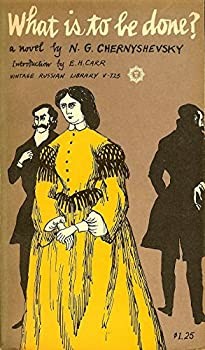
Today In Labor History April 4, 1866: Russian revolutionary, Dmitry Karakozov attempted to assassinate Czar Alexander II. He failed and the government executed him. Some believe that Karakozov chose the year 1866, since that was the year in which a character in Chernyshevsky’s “What Is To Be Done?” planned to launch a revolution. In the book, the protagonist, Vera Pavlovna, escapes a controlling family, and an arranged marriage, to start a socialist cooperative and a truly egalitarian romantic partnership. She starts a seamstress commune, with shared living quarters, profit-sharing and an on-site school to further the women’s education. Chernyshevsky wrote the novel in response to Turgenev’s “Fathers and Sons.” He wrote the book while imprisoned in the Peter and Paul fortress. The book inspired generations of Russian radicals, including the nihilists, anarchists and even many Marxists.