Cossiol reviewed The King in Yellow by Robert W. Chambers
None
3 stars
Déu els digué: arrancada de cavall i arribada d'ase
Déu els digué: arrancada de cavall i arribada d'ase
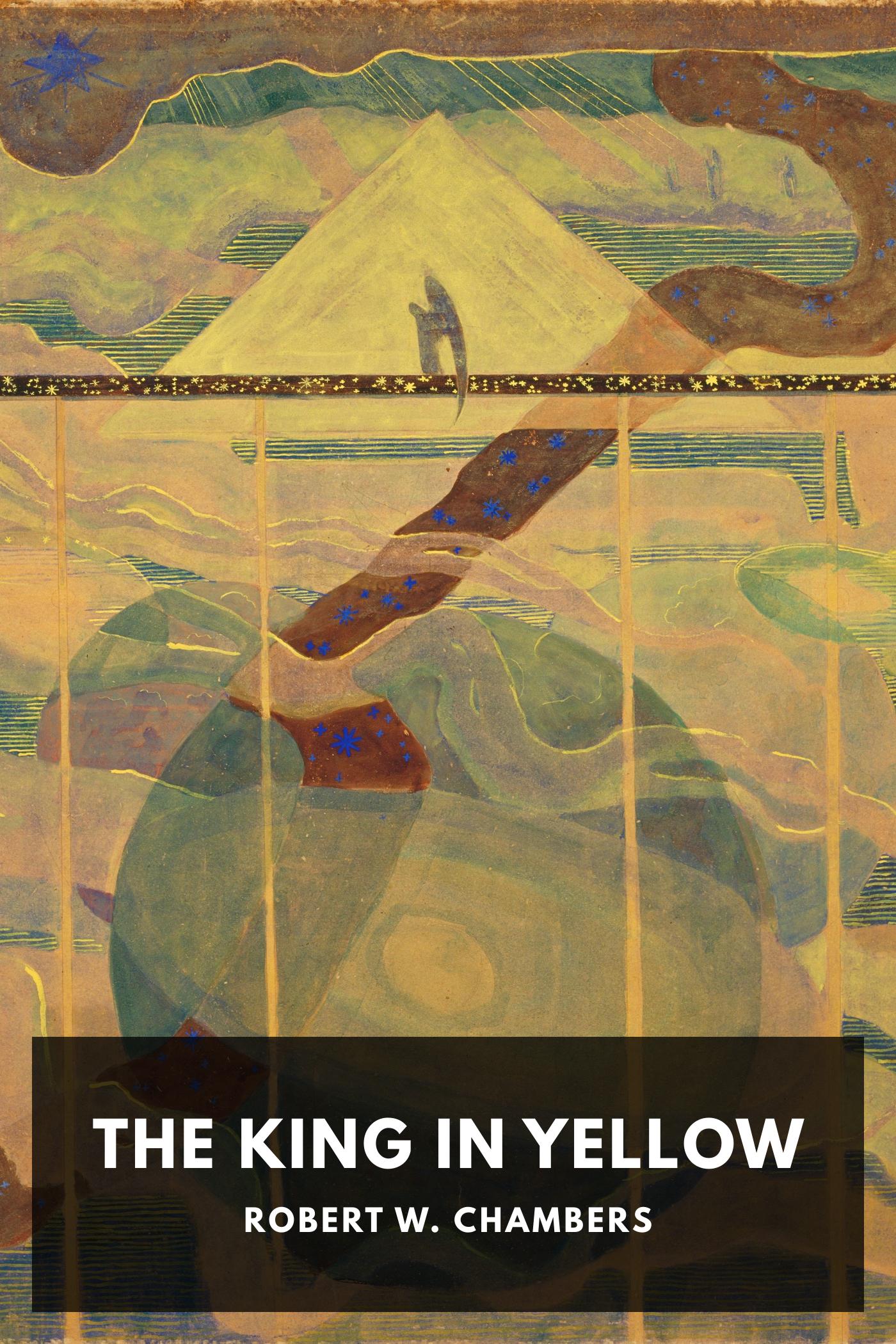
eBook
English language
Published January 2017 by Standard Ebooks.
Copyleft edition compiled from Project Gutenberg texts, no ISBN given.
Ten short stories of madness, hauntings, romance, and art.
The King in Yellow is a fascinating, almost two-faced work. The first half consists of five legendary weird tales, loosely tied together by a fictional play—the eponymous King in Yellow—that drives those who read it mad. Celebrated by authors like H. P. Lovecraft and Lin Carter, these stories are classic tales of madness, despair, and strange happenings.
With the fifth tale the reader finds a sort of palate-cleansing collection of short prose-poems leading into the last four stories, which take a sharp turn away from the weird and into the romantic. The concluding tales are set in the Parisian art world.
In modern times The King in Yellow enjoys a reputation largely due to the strength of its first half of macabre tales, but by no …
Copyleft edition compiled from Project Gutenberg texts, no ISBN given.
Ten short stories of madness, hauntings, romance, and art.
The King in Yellow is a fascinating, almost two-faced work. The first half consists of five legendary weird tales, loosely tied together by a fictional play—the eponymous King in Yellow—that drives those who read it mad. Celebrated by authors like H. P. Lovecraft and Lin Carter, these stories are classic tales of madness, despair, and strange happenings.
With the fifth tale the reader finds a sort of palate-cleansing collection of short prose-poems leading into the last four stories, which take a sharp turn away from the weird and into the romantic. The concluding tales are set in the Parisian art world.
In modern times The King in Yellow enjoys a reputation largely due to the strength of its first half of macabre tales, but by no means does that make the second half less enjoyable. Both halves are written in a quick, light prose style that demonstrates why Chambers was a best-seller in his day.
Déu els digué: arrancada de cavall i arribada d'ase
Déu els digué: arrancada de cavall i arribada d'ase
In the autumn of 1998, I found myself walking the oak-lined streets of an old city, on a sultry subtropical night. I looked up through the narrow alley between the branches, and saw the rubicund light of Aldebaran gleaming at me. I was at a dead-end in my studies, and knew it, and had no better plans. At the moment the star's light fell on me, I felt a change; my frustration with my life slipped away, replaced by a bittersweet longing for another life I had known only in my dreams. It was soon after that I came into possession of a small press's library-bound edition of The King In Yellow. I had heard it mentioned, of course, in Lovecraft's "Supernatural Horror in Literature", but in those days, the book was not widely reprinted, nor well-known outside of the small weird fiction community.
Oh, the poisonous beauty …
In the autumn of 1998, I found myself walking the oak-lined streets of an old city, on a sultry subtropical night. I looked up through the narrow alley between the branches, and saw the rubicund light of Aldebaran gleaming at me. I was at a dead-end in my studies, and knew it, and had no better plans. At the moment the star's light fell on me, I felt a change; my frustration with my life slipped away, replaced by a bittersweet longing for another life I had known only in my dreams. It was soon after that I came into possession of a small press's library-bound edition of The King In Yellow. I had heard it mentioned, of course, in Lovecraft's "Supernatural Horror in Literature", but in those days, the book was not widely reprinted, nor well-known outside of the small weird fiction community.
Oh, the poisonous beauty of it! The hints that lead you on to a precipice over the cloud-waves of Hali, and leave you there, unsatisfied and precarious!
I'll not spoil the experience for you, except to note that the Paris art student stories of the second half of the book, so often thought to be out of place in this collection, actually have subtle ties to the better-known horror stories.